Best Dive Sites in the Canary Islands: A Diver's Guide
Volcanic Atlantic diving across six islands – from Lanzarote's underwater museum to the twin pinnacles of El Bajón in El Hierro's Sea of Calms
DiveLine Team
2026-07-06
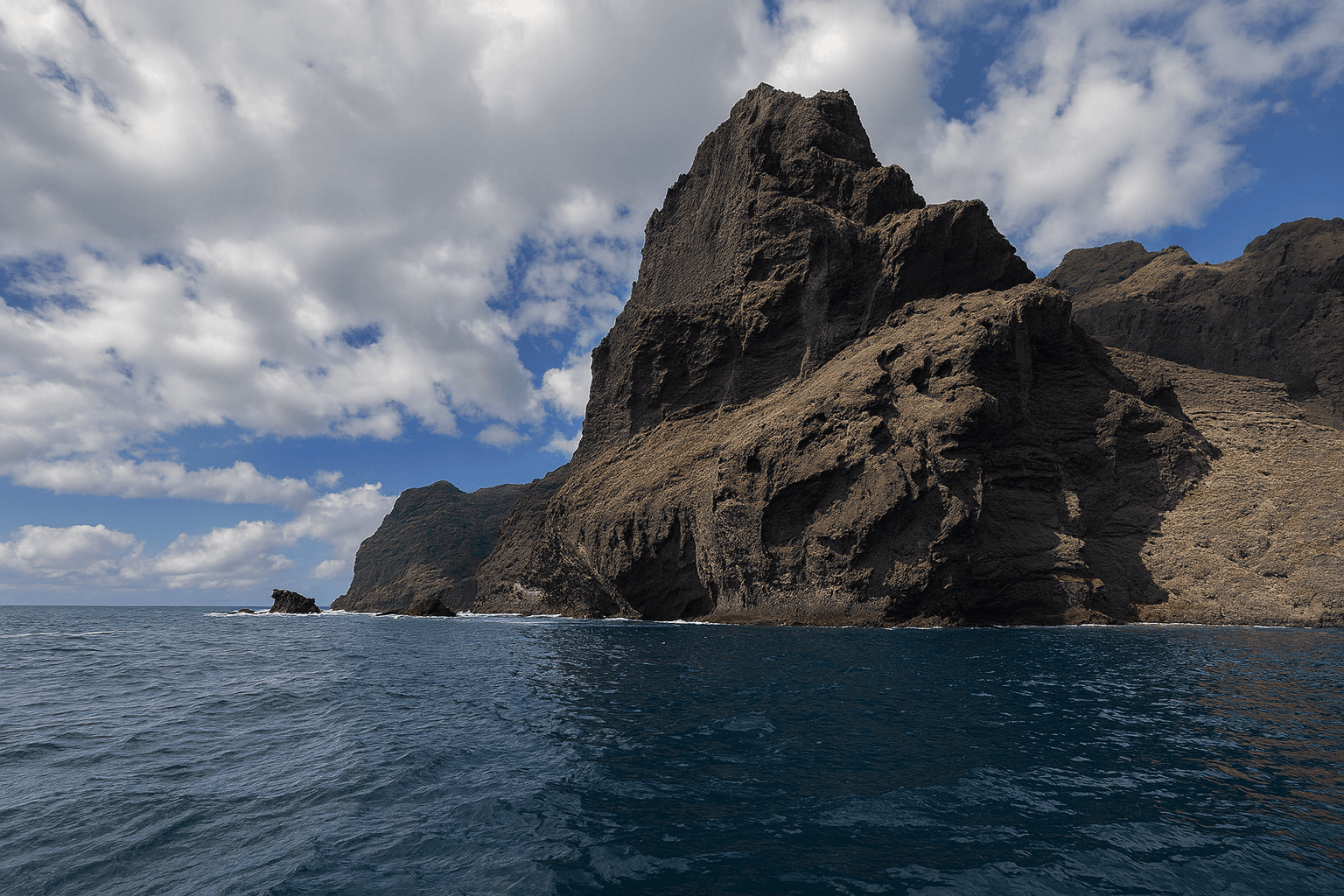
The Best Dive Sites in the Canary Islands
The Canary Islands sit at 28 degrees north, closer to the Sahara than to Spain, and they dive like nowhere else in Europe. There is no coral reef here – what you get instead is raw volcanic architecture: lava tunnels, swim-through arches, sheer basalt walls and isolated seamounts dropping into genuinely deep Atlantic water, all swept by clear oceanic blue. The archipelago is warm-temperate rather than tropical, and that is precisely its appeal. The fish life is a mix you will not find in the Red Sea or the Caribbean: critically endangered angel sharks resting on black sand, squadrons of butterfly rays and eagle rays, green turtles, thick banks of roncadores, and dusky groupers of a size that only marine reserves produce. Each of the islands has its own diving personality, and the best sites are spread across the whole chain.
Best time to dive: Year-round. Water temperature bottoms out around 18°C in late winter and peaks near 24°C in early autumn, with visibility of 20-30 m the norm rather than the exception. October and November combine the warmest water with settled seas, while the cooler months from November through March are prime time for angel shark encounters on the sand. A 5mm wetsuit works year-round; add a hood or step up to 7mm in winter.
Pro tip: The islands' leeward coasts are diveable most days, but swell windows differ from site to site. Check conditions on DiveLine's Canary Islands page for real-time swell, wind, and visibility forecasts before committing to a shore entry.
1. El Cabrón (Arinaga Marine Reserve), Gran Canaria
- Difficulty: Intermediate
- Type: Shore dive (rocky entry)
- Depth: 14-23 m (45-75 ft)
- Visibility: Typically 15-30 m (50-100 ft)
El Cabrón is the most famous dive on Gran Canaria and the only Canary site ranked among Spain's top 50 – and it earns the billing. The Arinaga Marine Reserve packs eight or more distinct dives into one stretch of protected coast, all reachable from shore: caverns, swim-through arches, overhangs, ravines and a proper wall, with named features like Arco Chico and the Hole on the Wall. The volcanic platform steps down from about 9 m through a crevice-riddled shelf to sand near 23 m, mirroring the profile of Montaña de Arinaga above the surface.
More than 400 species have been recorded here, including resident angel sharks, bull rays, butterfly rays and eagle rays, big groupers, shoaling barracuda and dense banks of roncadores, plus seahorses and arrow crabs for the macro-minded. The catch is the entry: you giant-stride off lava rock, and the shoreline gets awkward and slippery in any surge. Wear sturdy boots, time your entry and exit between swell sets, and skip it when an easterly swell is running – the site faces open water to the east and takes the NE trade wind chop head-on. It is about a 30-minute drive south from Las Palmas via Arinaga.
2. Museo Atlántico, Lanzarote
- Difficulty: Beginner
- Type: Boat dive (authorised operators only)
- Depth: 12-15 m (40-50 ft)
- Visibility: Typically 20-24 m (65-80 ft)
The Museo Atlántico is Europe's only underwater museum, created by British sculptor Jason deCaires Taylor and opened to divers in 2016. More than 300 life-sized, pH-neutral figures stand across ten installations – The Human Gyre, the Raft of Lampedusa, the long wall of The Crossing – on a flat sandy plain at around 12 m in the sheltered Bahía de Las Coloradas off Playa Blanca. Access is regulated: you book through an authorised operator and ride 5-10 minutes out from Marina Rubicón. There is no shore entry.
A decade on, the sculptures have matured into a genuine artificial reef. Octopus colonise the figures, trumpetfish and bream hunt between them, barracuda and sardine shoals pass overhead, and in winter angel sharks settle on the sand between installations – a surreal pairing of art and apex ambush predator. The bay sits in the lee of the island, shielded from the prevailing NW groundswell and the trade winds, so conditions are calm and navigation over the featureless sand is easy. It is comfortably within Open Water limits and, frankly, one dive every visiting diver should log once.
3. The Cathedral (La Catedral), Lanzarote
- Difficulty: Advanced
- Type: Shore dive (beach entry)
- Depth: 24-32 m (80-105 ft)
- Visibility: Typically 20-30 m (65-100 ft)
The Cathedral is Lanzarote's signature dive and the best-known site on the famous Playa Chica shore-diving strip at Puerto del Carmen. From the small cove you make a free descent over sand and reef to the drop-off at around 20 m, then follow the wall down to a huge open volcanic cavern whose arched mouth opens at 25-30 m – a domed chamber that genuinely does recall the vaulted nave of a church. Alcoves and overhangs are lined with sponges, knobbly soft corals, anemones and tube worms, and the shade often fills with shimmering clouds of glassfish.
Large resident groupers own the cavern, angel sharks lie on the sand at the base of the wall, and stingrays and butterfly rays cruise the edge of the drop-off. The paradox of the site is that a dive bottoming out around 30 m starts with one of the easiest beach entries in the islands – which is exactly why it demands respect. Plan your gas properly, keep buoyancy tight around the cavern, and finish the safety stop on the shallow sand in front of Playa Chica. This coast sits in the lee of the island and stays calm and clear most of the year; only a sustained southerly changes that.
4. El Condesito, Tenerife
- Difficulty: Beginner
- Type: Shore dive (rocky entry) or short boat run from Las Galletas
- Depth: 15-21 m (50-70 ft)
- Visibility: Typically 24-35 m (80-115 ft)
The El Condesito is southern Tenerife's classic first wreck. The 44 m cement carrier ran onto the rocks off Punta Rasca on 27 September 1973, barely 50 m from the lighthouse, while hauling cargo from Gran Canaria to Los Cristianos; the crew got off and no lives were lost. Fifty years of Atlantic swell have broken her into two main sections that sit upright in a rock-and-sand canyon, the highest wreckage at about 6 m and the deepest parts near 21 m – a profile that suits every certification level, with an easy, well-lit swim-through in the exposed rear hold for suitably trained divers.
The wreck works hard as an artificial reef. Dense shoals of bream, sardine and roncadores hang over the plating, morays and octopus work the collapsed sections, and trumpetfish, cuttlefish and the odd barracuda or ray round out the dive, which blends naturally into the surrounding volcanic reef. You have two ways in: a 1.8 km walk south along the coastal track from Palm-Mar to the point – about 30 minutes with kit, which keeps the crowds honest – or the way most centres run it, a five-minute boat hop from Las Galletas. On the shore route, time your entry over the rocks between sets.
5. Isla de Lobos: Las Setas & El Puente, Fuerteventura
- Difficulty: Intermediate
- Type: Boat dive
- Depth: 15-20 m (50-65 ft)
- Visibility: Typically 15-24 m (50-80 ft)
Las Setas – the mushrooms – is the signature dive of the El Río strait between northern Fuerteventura and the islet of Lobos, five minutes by RIB from Corralejo. Three parasol-shaped volcanic crags, undercut by millennia of tidal current, rise from golden sand at 15-18 m, threaded with a natural bridge, a short swim-through tunnel and light-filled passages. The neighbouring El Puente is the shallow companion dive, a small circular shoal topping out around 3 m over a 5-8 m sand floor – the whole protected strait holds more than 20 dive points.
This is one of the best places in the world to meet the critically endangered angelshark (Squatina squatina), which settles on the sand here mainly from autumn into winter. Around the rocks expect barracuda and horse mackerel in the blue, dusky groupers and Canary lobster under the ledges, and stingrays gliding over the flats. The operational detail that matters: the strait runs serious tidal current, so Corralejo operators time drops to the slack window and brief drift procedures for when it picks up. Follow the plan, carry your SMB, and let the tide dictate the schedule rather than the other way around.
6. Las Cruces de Malpique, La Palma
- Difficulty: Advanced
- Type: Shore dive (rocky entry; boat option from Fuencaliente)
- Depth: 15-21 m (50-70 ft)
- Visibility: Typically 24-30 m (80-100 ft)
Las Cruces de Malpique, off La Palma's southern tip near Fuencaliente, is the most haunting dive in the archipelago. In 1999, forty stone crosses were sunk to around 20 m as a memorial to the Tazacorte martyrs – Fray Ignacio de Acevedo and 39 Jesuit missionaries murdered by French pirates and thrown overboard here on 15 July 1570. The crosses stand in ordered rows on black volcanic sand and lava rock, pale against the dark seabed in deep-blue Atlantic water inside a UNESCO Biosphere Reserve. Few dives anywhere carry this much atmosphere.
The memorial has become a reef in its own right, and the surrounding rock and sand hold spotted eagle rays, angel sharks, trumpetfish, octopus, shoaling bogue and barracuda, with black coral on the deeper volcanic reef nearby. Treat it as an advanced dive for the conditions rather than the depth: the standard entry is over rocky lava shore by the Fuencaliente salt flats, followed by a 300-350 m surface swim to the crosses, and the exposed southern tip generates currents that can shut the site down entirely. Time the rocky exit carefully in any surge, and take the boat option from Fuencaliente when the south swell is up.
7. El Bajón, El Hierro
- Difficulty: Advanced
- Type: Boat dive (reserve permit via La Restinga operators)
- Depth: 21-40 m (70-130 ft), pinnacles from 6-9 m
- Visibility: Typically 30-40 m (100-130 ft)
El Bajón is the bucket-list dive of the Canaries. This submerged volcanic seamount is the flagship of the Mar de las Calmas off La Restinga – Spain's first marine reserve – rising in twin pinnacles to within 6-9 m of the surface before its walls plunge sheer past 60-90 m, with a current-carved crater between the peaks. The Sea of Calms lives up to its name: the island bulk blocks the dominant NW groundswell, leaving famously still, absurdly clear water over a structure that stands alone in deep ocean.
Isolation is what concentrates the life. Expect large dusky and island groupers at close range, walls of barracuda and greater amberjack, stingrays on the terraces and black coral on the deeper flanks – and the wider reserve sees seasonal visits from whale sharks, mantas and devil rays. Dives typically drop down a shotline onto a pinnacle at 6-9 m and work the upper walls, but the site's currents are notorious and the depth adds up fast, so this is experienced-diver territory. Access is by permit through the licensed La Restinga centres, five minutes from the harbour; the island's remoteness keeps numbers refreshingly low.
Planning Your Canary Islands Dives
The practical reality of the Canaries is that the best diving is spread across six islands, so pick a base rather than trying to tick every site in one trip. Lanzarote (Puerto del Carmen and Playa Blanca), Tenerife's south coast, and Gran Canaria all have dense dive-centre infrastructure and strong shore-diving cultures; Fuerteventura's action centres on Corralejo; La Palma and El Hierro reward divers willing to travel further for quieter water. Inter-island ferries and short Binter flights make two-island itineraries easy – Lanzarote pairs naturally with Fuerteventura across the strait, and La Palma with El Hierro for a reserve-focused week.
- Thermal protection: 5mm wetsuit year-round; add a hood or move to 7mm from November to March when the water dips toward 18°C
- Angel shark season: November through March is peak; they are critically endangered and strictly protected – keep your distance and never touch or chase them
- Turtles: For easy green turtle encounters on Tenerife, add a shallow dive at El Puertito de Adeje, the beginner-friendly turtle bay near Armeñime
- Permits and reserves: The Museo Atlántico and the Mar de las Calmas are both regulated – book through authorised operators and follow reserve rules
- Tides and swell: The Lobos strait runs on tidal windows, and rocky shore entries like El Cabrón and Malpique need calm seas – check the forecast before the drive
Few destinations offer this combination: year-round warm-temperate diving, 20-30 m visibility as the baseline, volcanic terrain that ranges from beginner sand flats to offshore seamounts, and a realistic chance of finning over an angel shark before breakfast. The Canaries reward repeat visits – dive the leeward classics first, then let conditions and season decide which island calls you back.
Ready to dive? Check current conditions for all Canary Islands sites on DiveLine's Canary Islands page.